
Table of Contents
At InboxArmy, as an experienced email marketing and sms marketing agency, we’ve seen both sides up close. We know that comparing SMS marketing vs email marketing is about strategy, customer behaviour, and long-term brand value.
Understanding email marketing vs SMS marketing can help you reach people more meaningfully, whether you’re a small business owner, an eCommerce brand, or a marketing leader trying to fine-tune your customer journeys.
In this blog, we’ll break down:
- What makes SMS marketing so effective (and where it falls short).
- Why email marketing still holds massive value.
- The real differences between text message marketing vs email marketing.
- When should you use each channel (or combine both for better impact)?
If you want to stop guessing and start planning smarter, this one’s for you.
What is Email Marketing?
Email has been around forever in internet years, but it’s still one of the most powerful tools in your marketing toolbox.
Email marketing sends targeted messages to people who’ve opted in to hear from you. It helps brands stay connected to their audiences in a personal, scalable, and cost-effective way.
When comparing email marketing vs SMS marketing, email stands out for its ability to share rich content like visuals, links, personalized recommendations, and even product carousels. It’s ideal for storytelling, brand building, and delivering value over time.
In the ongoing debate, email still holds strong when your message needs more than 160 characters to make an impact. It’s also perfect for nurturing long-term customer relationships, whereas SMS often shines in moments of urgency.
So, where does all this happen? In the U.S., some of the most popular platforms for delivering email marketing services include Mailchimp, Klaviyo, Constant Contact, ActiveCampaign, Campaign Monitor, HubSpot, Sendinblue (now Brevo), GetResponse, ConvertKit, and Moosend.
These platforms help you create campaigns that are easy to design, personalize, and measure. No matter the platform, the goal is to reach the right people with the right message at the right time.
What is SMS Marketing?
SMS marketing is marketing through text messages. It’s quick, direct, and highly effective when used at the right time. Unlike email, SMS doesn’t sit in a crowded inbox. It shows up right in the palm of your customer’s hand, often with a ding they won’t ignore.
In the ongoing SMS marketing vs email marketing debate, SMS often wins when urgency is the goal. Think flash sales, delivery updates, appointment reminders, or order confirmations. That’s because text message marketing is all about immediacy, as most texts are read within minutes.
It’s worth noting that SMS has higher open and click-through rates, but it also comes with tighter character limits and stricter compliance rules. That’s why many businesses use SMS as a complement to email, not a replacement.
Some typical use cases for SMS marketing include:
- Sending promo codes during peak shopping hours.
- Notifying customers of order updates or shipping delays.
- Following up with leads who didn’t respond to emails.
- Confirming bookings or reminding users about upcoming appointments.
As for tools, some of the top SMS platforms in the U.S. include Twilio, Postscript, EZ Texting, Textedly, SlickText, and Attentive
When businesses look at SMS and email marketing, email marketing pricing often seems more cost-effective at scale. But with SMS, you’re paying for speed and visibility, and sometimes that’s exactly what your campaign needs.
Pros and Cons: Text Message Marketing vs Email Marketing
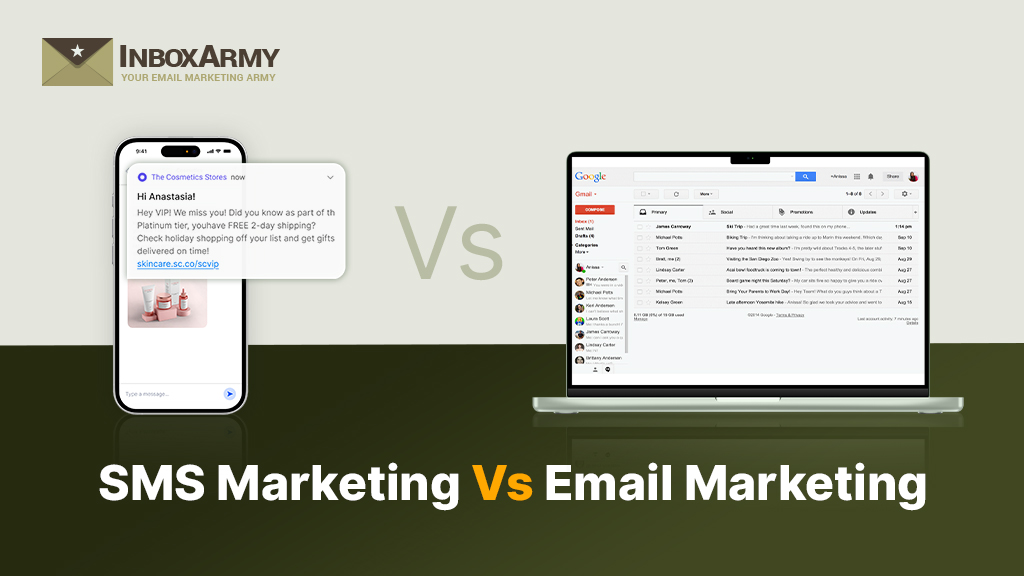
If you’re still on the fence about email vs text marketing, it helps to look at the numbers. When you weigh up text message marketing vs email marketing, each channel has its clear strengths and some trade-offs. So let’s break it down.
Pros of SMS Marketing
-
Sky-High Open Rates
SMS channel has an average open rate of 98%, with most messages read within 3 minutes of being received. Perfect for last-minute promos or appointment reminders.
-
Response Time is Almost Instant
The average response time for an SMS is just 90 seconds, compared to 90 minutes for email.
-
Higher Engagement
SMS campaigns can see click-through rates of 20–35%, far exceeding email’s average of 2–3%.
-
Better Conversions in Certain Scenarios
SMS has a 29% conversion rate, compared to 15.2% for email.
-
Character-Limited, but Powerful
With a limit of 160 characters, SMS forces clarity and focus.
-
Opt-In and Opt-Out Transparency
SMS marketing is permission-based by design. Users have to opt in, and it’s easy for them to opt out at any time, making it feel more respectful and user-controlled compared to other channels.
-
Less Competition in the Inbox
Unlike email inboxes flooded with promotions, the SMS inbox is relatively quiet, so your message is more likely to be seen and acted on.
Cons of SMS Marketing
-
Character Limit Constraints
Sticking to 160 characters means limited space for storytelling or visuals.
-
Cost Can Add Up
SMS marketing pricing is higher on a per-message basis, especially when scaling to large audiences.
-
Strict Compliance Rules
With TCPA regulations, opt-in management, and potential fines, SMS requires careful legal handling.
-
Minimal Branding Opportunities
You can add no images or design elements. Your message is just plain text.
Pros of Email Marketing
-
Massive Reach with Creative Freedom
Over 4 billion people use email daily. Plus, you can add videos, buttons, GIFs, and rich content to make your emails pop.
-
Cost-Effective for Scaling
When comparing email marketing vs SMS marketing, email wins on pricing for large-scale, frequent campaigns.
-
Detailed Personalization & Automation
Most platforms allow A/B testing, segmentation, and advanced personalization that boost engagement over time.
-
Trackable Metrics
Unlike SMS, email gives you access to detailed analytics like open rates, click maps, conversions, and more.
-
Ideal for Long-Term Nurturing
While SMS is short-term focused, email excels in welcome series, newsletters, re-engagement flows, and content drip campaigns.
-
Boosts Website Traffic and Online Sales
Well-crafted email campaigns drive traffic directly to product pages, blog posts, and landing pages. By including clear CTAs, product highlights, and links to your site, email becomes a reliable sales and conversion channel.
-
Enhances Brand Awareness and Recall
Every email is a touchpoint. With consistent branding, you reinforce brand identity. Over time, this repetition builds trust and makes your brand more memorable.
-
Encourages Social Sharing and Cross-Channel Engagement
You can easily add social media links or embed share buttons in emails, encouraging subscribers to follow, share, or repost your content, extending your reach far beyond the inbox.
Cons of Email Marketing
-
Lower Open and Click Rates
Average email open rates hover around 21.5%, with CTR at 2.3%.
-
Inbox Overload
With so many brands competing for attention, it’s easy for your message to get buried.
-
Slower Interaction Time
: Unlike SMS, emails aren’t always read instantly, so they’re less ideal for time-sensitive messaging.
-
Design and Technical Glitches
Email rendering isn’t always consistent across devices and email clients. You also have to consider image blocking, load times, and mobile responsiveness, which are technical issues that don’t apply to SMS.
-
Spam Filters and Deliverability Issues
Email marketing issues also include dealing with spam filters, sender reputation, and blacklists. One wrong move can land you in the junk folder.
-
Engagement Fatigue
Consumers have learned to tune out promotional emails, especially when they’re generic or overly frequent. Without proper segmentation and value-driven content, engagement can drop fast.
-
Higher Setup and Design Time
Compared to SMS, email campaigns typically require more time to create, as copywriting, design, testing, QA, and approvals all add up. Not ideal if you’re aiming for speed.
SMS Marketing vs Email Marketing: Key Differences at a Glance
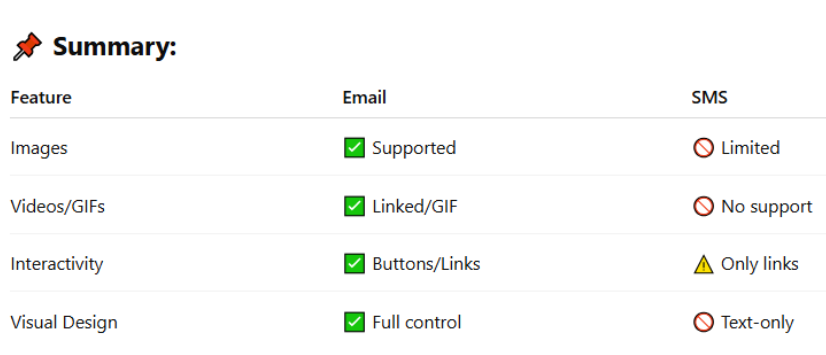
When you’re deciding between SMS marketing vs email marketing, it helps to step back and look at how they stack up side by side. Each channel has its own vibe, strengths, and role in your marketing mix.
Here’s a quick comparison of email marketing vs text marketing based on the metrics that matter most.
| Feature | SMS Marketing | Email Marketing |
| Open Rates | Extremely high, with 98% of most texts read within 3 minutes | Moderate – 21.5% on average. |
| Ideal Content Length | Short and direct, best under 160 characters | Flexible. It is great for detailed content, visuals, and long-form storytelling |
| Cost | Higher per message. SMS marketing can get pricey, especially at scale | More cost-effective for bulk campaigns. Lower email marketing pricing overall |
| Audience Expectation | Instant, relevant, and timely. Users expect immediacy and urgency | Informative and value-packed. Users expect more content and insights |
| Personalization | Basic. Often limited to name and offer | Advanced. Allows dynamic content, segmentation, and rich media |
| Click-Through Rate (CTR) | 20–35% on average. Especially high for limited-time offers | 2.3% average CTR. It can vary based on the industry and content quality |
In short, if you’re choosing between sms vs email marketing, ask yourself what your goal is.
Need a fast response or an immediate sale? Go with sms marketing campaigns.
Want to build trust, tell your story, or nurture a lead? Email marketing still wears the crown.
The real power comes when you use both strategically because email vs text marketing isn’t an either/or. It’s a smart blend that delivers results across the customer journey.
When to Use SMS vs. Email Marketing for Your Next Campaigns: What Really Matters
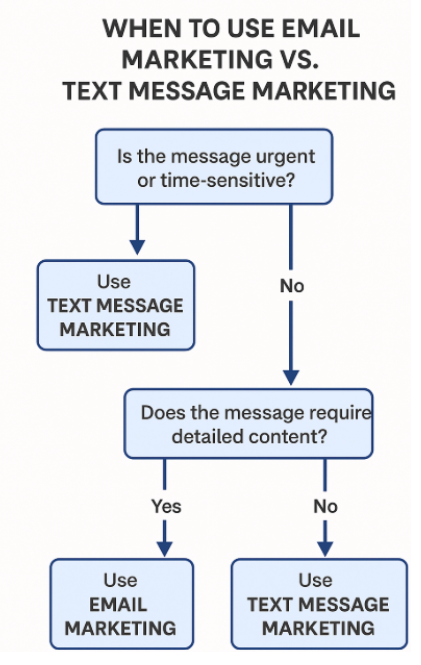
Both channels can deliver results, but knowing when to use each one can make or break your campaign.
Let’s break it down with a few real-world scenarios to help you decide whether a text message or an email will get the job done right.
Go With SMS When…
- Time is critical
Got a flash sale that ends in a few hours?
An appointment reminder going out tomorrow morning?
Here, texts win for urgency. With a 98% open rate and most messages read within 3 minutes, text message marketing is unbeatable for instant visibility.
- The message is short and sweet
SMS is ideal for quick promo codes, shipping alerts, or check-in messages. If your message needs more than 160 characters to explain, it’s probably better suited for email. - You’re following up with unresponsive leads
A short text can serve as a friendly nudge when someone’s ghosting your emails. If used strategically, SMS marketing can help close gaps in communication.
Use Email When…
- You need to tell a story or share rich content
Want to introduce a product, share tips, or embed a video? Email’s flexibility makes it perfect for long-form messaging. In the email marketing vs text marketing world, email wins on design and depth. - You’re nurturing long-term relationships
Welcome series, product education flows, loyalty campaigns – email is where customer journeys take shape. With advanced personalization and segmentation, you can deliver content that feels tailor-made. - You need to include attachments or detailed CTAs
From invoices to gated downloads, email gives you more room (and legal clearance) to share the extras. Something that’s just not possible in a simple text.
And when should you use both marketing channels (email and SMS marketing)?
Honestly? Often.
For example:
- Launching a new product? Announce it via email with all the details, and follow up with an SMS reminder the day it drops.
- Running a holiday promo? Send an email with product highlights, then use a quick text on the final day to drive urgency.
- Hosting an event? Email the invite, then text your attendees the location link an hour before.
In the ongoing debate of email marketing vs sms marketing, the smartest brands are blending both.
So next time you’re planning a campaign, don’t just ask “email vs text marketing?” Ask: “What will feel most helpful and relevant to my audience, right now?”.
SMS Marketing vs. Email Marketing: Which Is Better for Your Business?
Sms marketing vs email marketing, which one actually works best?
The honest answer is that it depends.
There’s no universal winner in the email marketing vs sms marketing debate because every business and every customer is different. The right choice depends on your goals, your message, and your audience’s preferences.
Let’s say you’re an eCommerce brand running a flash sale. A quick text reminder might drive faster conversions than a beautifully designed email. On the flip side, if you’re onboarding new customers or sharing a product guide, email gives you the space and tools to nurture that relationship.
Still not sure which one is better for your business? Ask yourself:
- Do I need immediate action or deeper engagement?
- Am I sharing quick updates or long-form content?
- What’s more cost-effective based on my audience size and campaign frequency?
- Can I blend both channels to create a better customer experience?
Most of the time, it’s not email vs text marketing, it’s email and text marketing. Using them together lets you deliver the right message, on the right channel, at the right time.
For example:
- Add social media links to your email campaigns to increase engagement and visibility.
- Use SMS for last-minute nudges that complement your email flows.
- Segment your list based on user preferences. Some may love a detailed email, while others prefer a quick ping.
In short, when it comes to sms vs email marketing, the smartest move is choosing a strategy.
How Should You Use Text Marketing?
SMS is most effective when urgency matters. In the sms marketing vs email marketing discussion, this is where SMS really shines.
Here’s how to make it work:
- Keep it short and focused: With a 160-character limit, every word counts. Stick to one message, one call-to-action.
- Use it for time-sensitive campaigns: Cart abandonment texts, early access deals, and appointment reminders are perfect use cases.
- Make it personal (but compliant): Include first names and relevant offers, but make sure you’ve got clear opt-in consent.
- Follow up smartly: SMS isn’t for long conversations. If you need to explain more, link it to an email, landing page, or support thread.
One thing to keep in mind, text message marketing often comes with a higher price per send, so use it sparingly and strategically.
How Should You Use Email Marketing?
In the email marketing vs sms marketing matchup, email wins when you need to explain, educate, or entertain.
Here’s how to get the most out of it:
- Use rich content: Add product images, GIFs, videos, or even short how-to tutorials. Unlike SMS, email gives you the space to get creative.
- Segment and personalize: Tailor your message to different user behaviors—new subscribers, frequent buyers, or inactive users.
- Automate the journey: With welcome series, re-engagement flows, and birthday emails, you can create an ongoing dialogue that runs on autopilot.
- Add social media links: Encourage subscribers to follow you, share your content, or join a community and turn one channel into many.
- Test, measure, repeat: Use A/B testing for subject lines, content, and send times. Email platforms offer deep analytics that help you learn and optimize.
So, email vs text marketing is about knowing how each channel fits into your strategy. Use SMS messages for the right-now moments and email for the longer game. Together, they’re unstoppable.
Top SMS Marketing Tools to Boost Sales
In the sms and email marketing conversation, the right platforms give text campaigns the power to convert quickly and at scale.
Here are some of the most popular SMS tools businesses use to drive results:
Postscript
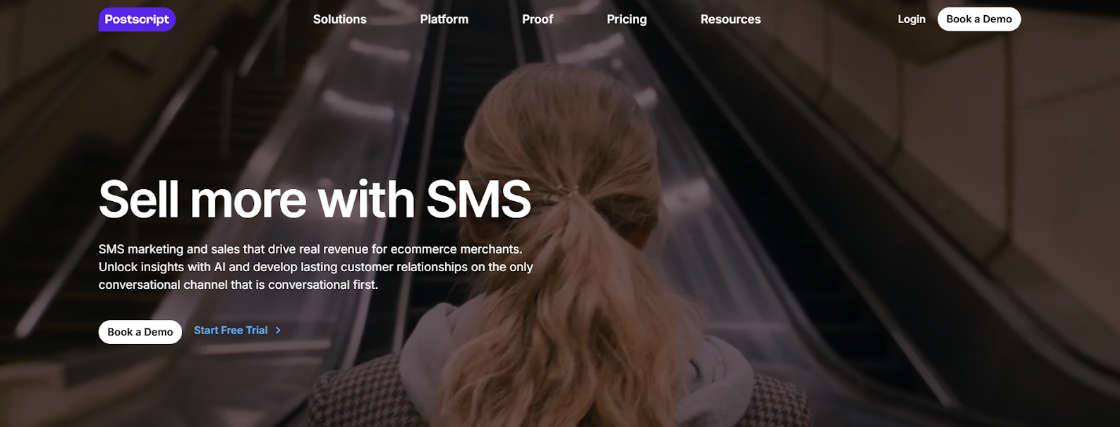
Perfect for eCommerce brands, especially Shopify users. Postscript makes it easy to create automated text campaigns based on customer behavior like sending a discount to someone who abandoned their cart.
EZ Texting
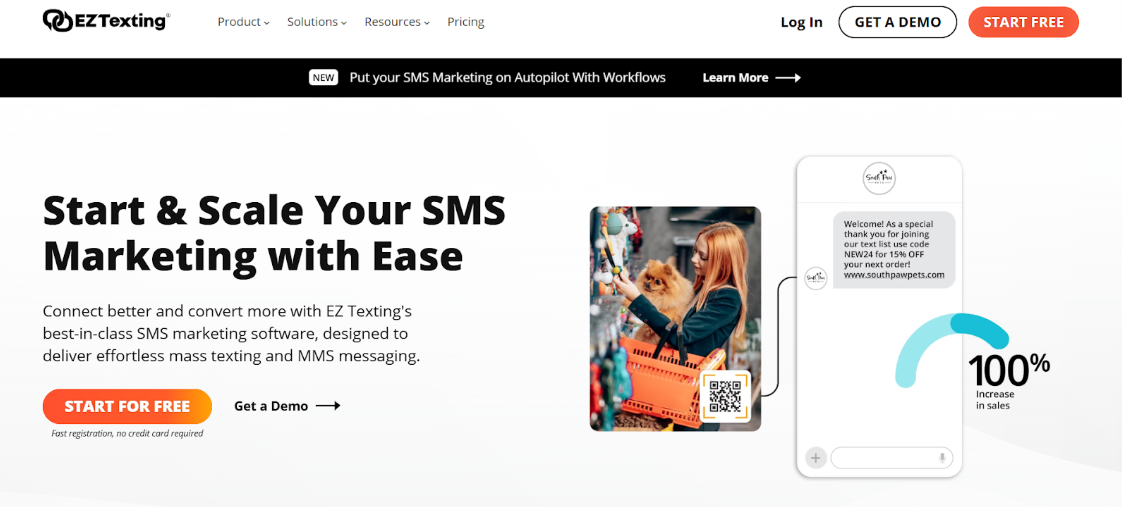
A user-friendly platform is great for small and mid-sized businesses. EZ Texting lets you schedule texts, run keyword-based campaigns, and track engagement and control all from an intuitive dashboard.
Attentive
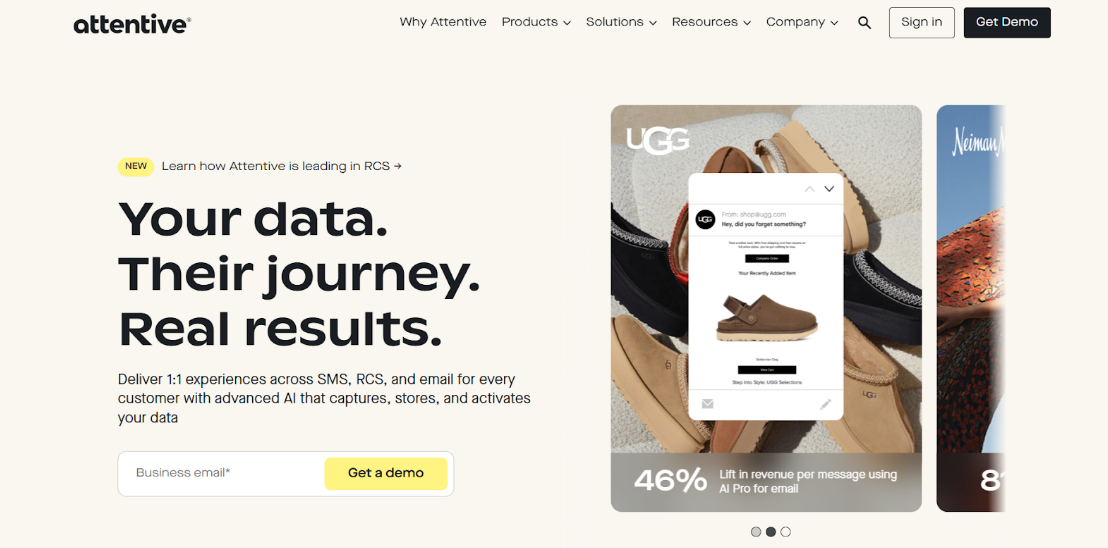
Used by major retail brands, Attentive focuses on hyper-personalized messaging and robust segmentation. It’s ideal if you want to go beyond just mass texting and create tailored customer journeys.
Twilio
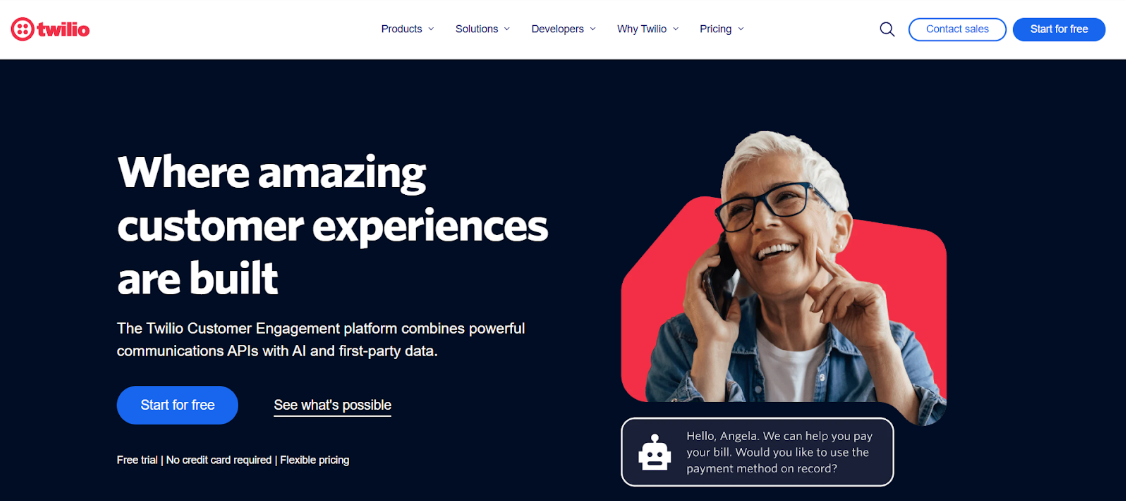
This one’s a favorite for developers. Twilio gives you complete control over how and when your texts go out. However, it does require more technical know-how. Great for companies that need custom, API-driven messaging.
SlickText
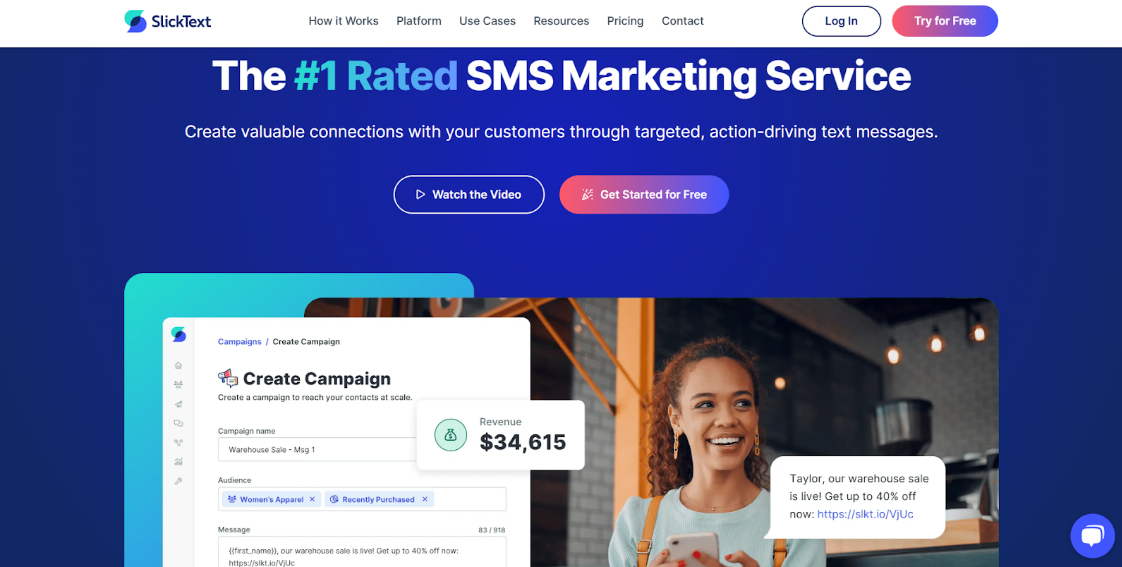
Offers a balance between simplicity and features. SlickText includes tools like text-to-join keywords, drip campaigns, and integrations with CRMs which is perfect for growing your list and sending targeted promos.
Email Marketing Tools to Maximize Revenue
The right email marketing platform can make or break your strategy. Here are some of the best tools to help you drive more revenue through email marketing strategy:
Klaviyo
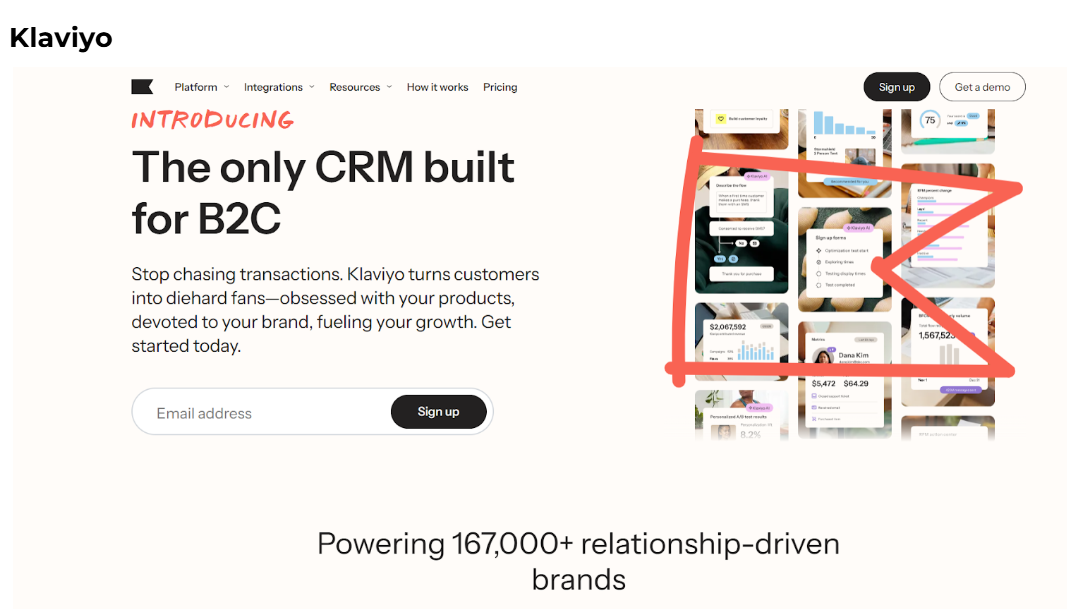
Klaviyo is a top pick for eCommerce stores. It lets you sync your store data to trigger targeted flows like product recommendations or re-stock alerts. With strong automation and segmentation features, it’s ideal for scaling personalized campaigns.
Mailchimp
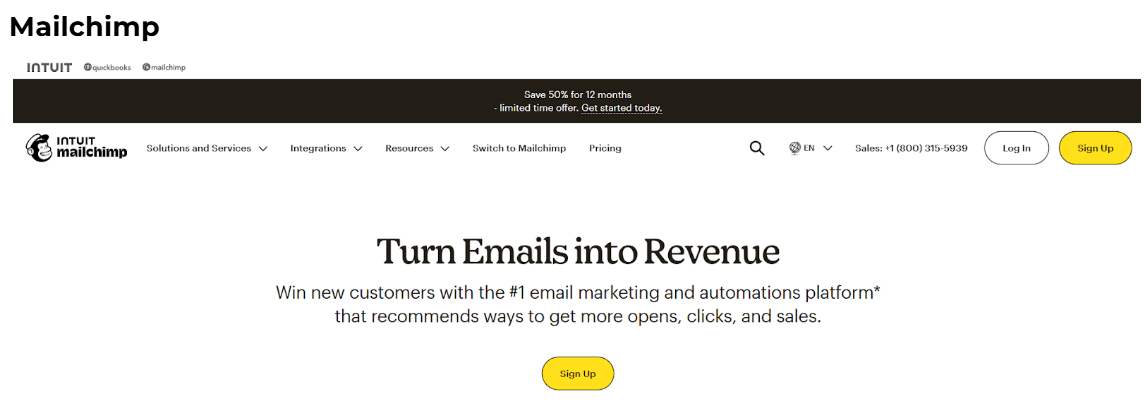
Great for beginners and growing businesses. Mailchimp offers a drag-and-drop editor, pre-built automation journeys, and basic analytics. It’s budget-friendly and beginner-friendly.
ActiveCampaign
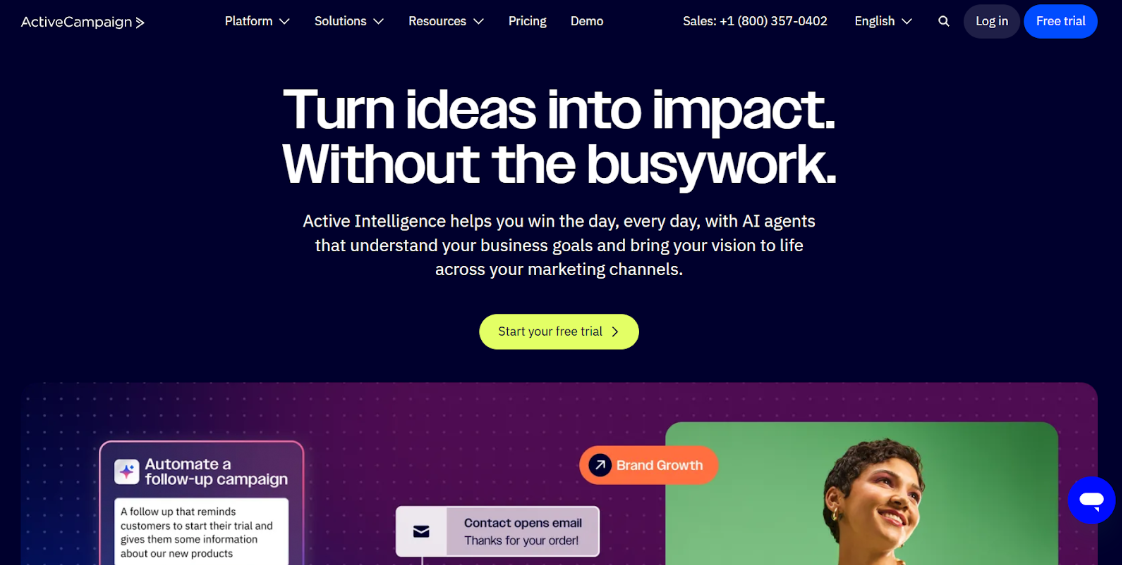
It blends email marketing with CRM. ActiveCampaign shines in automation and behavioral targeting, making it a favorite for B2B and service-based businesses.
HubSpot
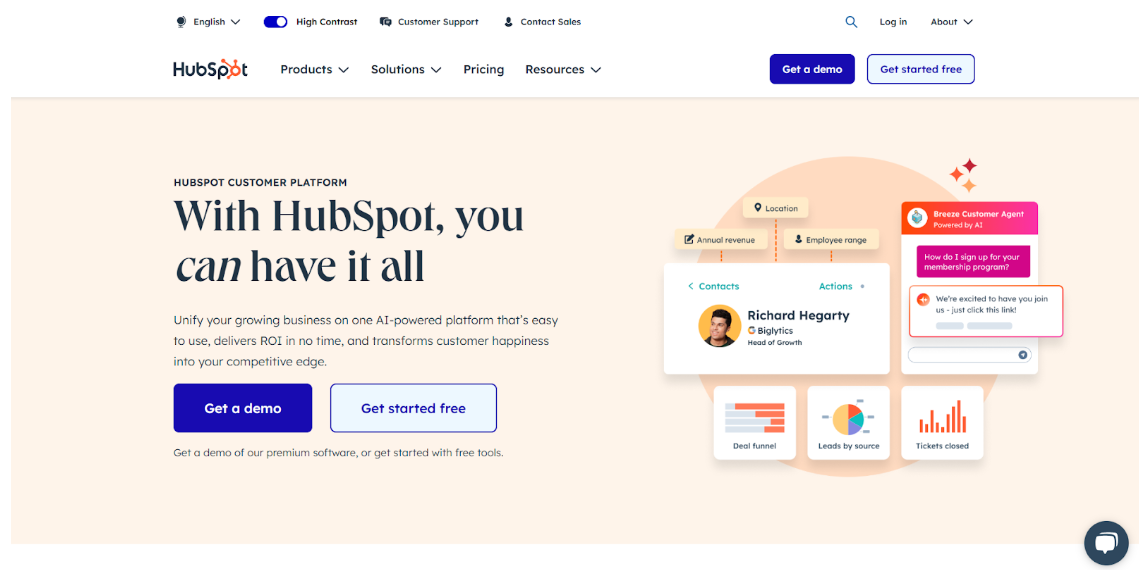
If you’re running inbound campaigns, HubSpot is your friend. It combines email, CRM, content marketing, and automation and is perfect for lead nurturing across the entire funnel.
Campaign Monitor
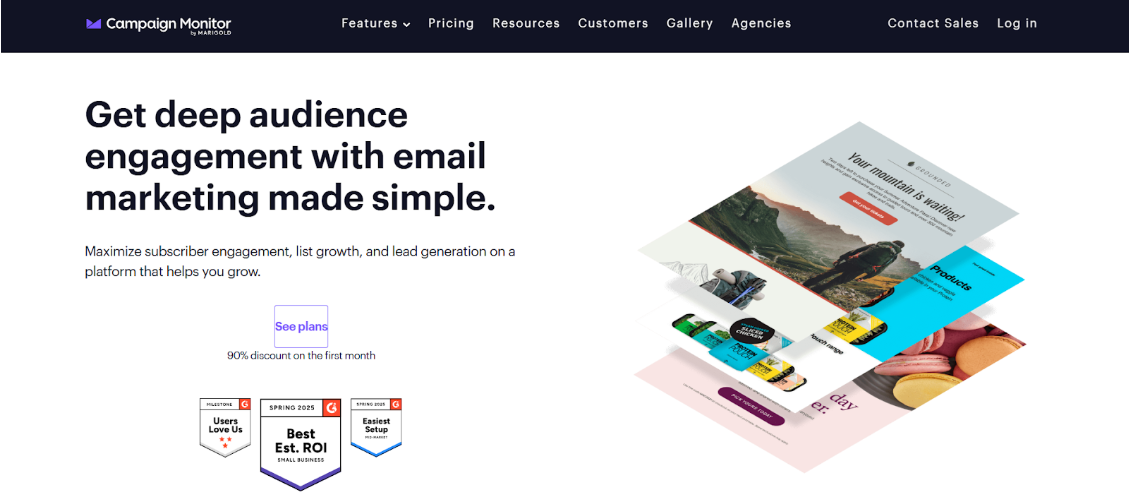
Loved by designers and marketers alike for its beautiful templates and user-friendly interface. It’s a great choice if brand consistency and visual storytelling matter to you.
Conclusion
So, SMS marketing vs email marketing – which one should you bet on?
There’s no one-size-fits-all answer. Text message marketing vs email marketing is about picking a strategy. SMS is all about speed, urgency, and grabbing attention in the moment. Email marketing, on the other hand, is your long game and is perfect for nurturing, educating, and selling through rich content and is better suited for newsletter, product launches, creative campaigns & building customer relationships.
The smartest marketers aren’t choosing email vs text marketing, they’re blending both. Understanding when and how to use each of these marketing strategies can make a huge difference in your results.
Need help building an integrated email and SMS marketing strategy? InboxArmy, the best email marketing agency, has the tools, templates, and team to make it happen.
FAQs of SMS Marketing vs Email Marketing
What is the major difference between SMS and email marketing?
The biggest difference lies in speed and format. SMS is short, urgent, and typically read within 3 minutes. Email allows for longer content, visuals, and storytelling.
SMS vs. Email: Which Is Better for Reaching a Younger Audience?
SMS is more effective for reaching younger users, especially Gen Z and Millennials, who prefer quick, mobile-first communication. That said, younger audiences still engage with email, especially if it includes interactive content and links to social platforms.
SMS vs. Email: Which Is Better for Driving Sales?
Both can drive sales, but in different ways. SMS has a higher conversion rate (up to 29%) for limited-time offers or flash sales. Email tends to drive more sales over time through nurture campaigns, product recommendations, and cart recovery flows. The best results often come from combining both.
SMS vs Email: Which is better for customer retention?
Email is better for long-term customer retention. With the ability to send onboarding series, loyalty updates, tips, and newsletters, email helps you stay top of mind and deliver ongoing value.
Which is better for mobile marketing?
SMS wins for immediacy as it’s built for mobile. However, email has also been adapted, with responsive design and mobile-friendly templates.
What are some of the best examples of text marketing campaigns?
Some of the most effective text marketing campaigns include welcome messages for new subscribers, exclusive discount offers, post-purchase thank-yous, and abandoned cart reminders.
Brands also use SMS for appointment reminders, event updates, feedback requests, and loyalty program notifications.
What are some of the best examples of email marketing campaigns?
Effective email marketing campaigns like Airbnb’s emails are known for their straightforward messaging and clean design, making it easy for recipients to understand the content and take action.
Starbucks utilizes notification emails to inform customers about new payment options and bonus programs, ensuring clarity without unnecessary information.
What industries benefit most from SMS marketing?
Industries that thrive on real-time communication see the most ROI from SMS, including:
- Retail & eCommerce (flash sales, delivery updates)
- Healthcare (appointment confirmations, reminders)
- Hospitality (booking confirmations, check-in details)
- Finance (fraud alerts, OTPs)
- Education & Events (schedule changes, reminders)